The Art of Outdoor Privacy: Best Tall-Potted Plants for a Serene Escape
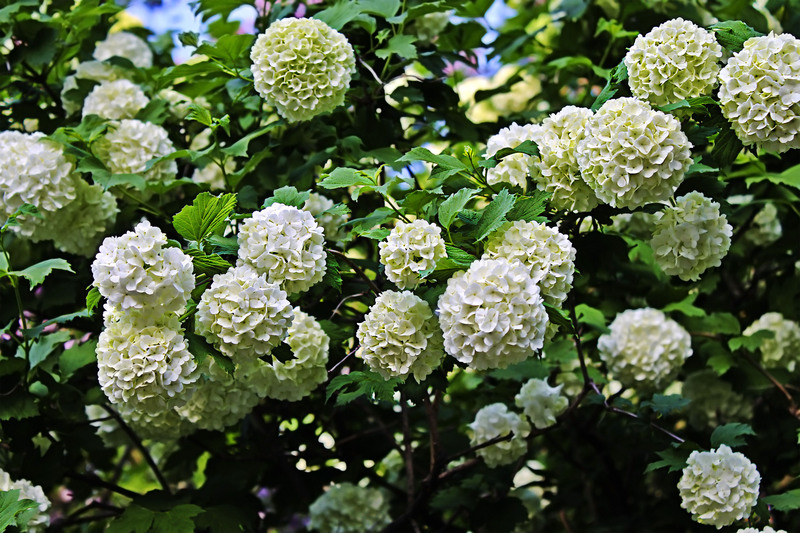
The Art of Outdoor Privacy: Best Tall-Potted Plants for a Serene Escape
If you've ever stepped onto your patio with a cup of tea and felt a neighbour's window gently looking back, you know the feeling. You want quiet, softness, and a little mystery--the sense of being wrapped in green. The Art of Outdoor Privacy: Best Tall-Potted Plants for a Serene Escape isn't just about hiding; it's about crafting a calm, living boundary that breathes, sways and smells like somewhere you'd rather be. Truth be told, a couple of carefully chosen tall potted plants can do the work of a wall--only with birdsong.
In the UK, where terrace gardens, balconies, and compact courtyards are standard (and quite charming), tall container plants are incredibly effective privacy tools. They soften hard edges, lower noise, filter views, and create that serene escape you're craving--without triggering planning headaches. The trick is knowing what to plant, where, and how to keep it thriving. That's where this guide shines. It's detailed, practical, and packed with lived experience from real gardens and small spaces--from a windy 7th-floor balcony in Manchester to a slim south-facing terrace in London W11. Let's make your outdoors feel like yours again.
Table of Contents
- Why This Topic Matters
- Key Benefits
- Step-by-Step Guidance
- Expert Tips
- Common Mistakes to Avoid
- Case Study or Real-World Example
- Tools, Resources & Recommendations
- Law, Compliance or Industry Standards (UK-focused)
- Checklist
- Conclusion with CTA
- FAQ
Why This Topic Matters
Privacy is more than a legal or aesthetic issue. It's about mental health, rest, and the daily rituals that make a home feel safe. The Art of Outdoor Privacy: Best Tall-Potted Plants for a Serene Escape matters because you don't always have room--or permission--for fences, but you still need that green veil. Ever tried clearing a room and found yourself keeping everything? Gardens can feel like that too: crowded with potential, short on clarity. Plants in tall containers allow you to edit your outdoor space with intention.
There's also a resilience angle. Unlike fixed screens, potted plants adapt. You can move them season to season, chase light, or re-route views as your neighbour adds a new balcony. And to be fair, the UK's planning rules can make permanent structures tricky; plants offer a more flexible, beautiful path to privacy.
Small human moment: one of our clients moved two bay laurels by a single metre, and--just like that--her Sunday coffee spot felt hidden again. Same garden. Completely different mood. Clean, clear, calm. That's the goal.
Key Benefits
Here's what you gain when you opt for tall potted plants for privacy--beyond the obvious "you can't see me" effect.
- Soft Screening: Dappled greenery breaks up sightlines without feeling hostile. Neighbours see plants, not barricades.
- Legal Flexibility: Potted screens can avoid some planning constraints that apply to fixed fences (more on this in the law section).
- Sound & Air Quality: Dense foliage can diffuse noise and trap particulates. It's not a miracle cure--but it helps.
- Seasonal Control: Move the pots to suit sun, wind, and how you actually use the space across the year.
- Microclimate Comfort: Plants cool the air through transpiration, especially on still summer evenings.
- Wildlife Value: Nectar, berries, nesting nooks--your green wall becomes a tiny habitat.
- Design Impact: Height and vertical texture make small spaces feel layered and expensive. It's a designer trick--now yours.
- Reversibility: Renting? A potted privacy screen goes with you when you move. No drama.
And the intangible benefit: that deep, quiet exhale when the world feels a step further away. You'll notice it the first time a breeze runs through the leaves and the city noise fades a notch. Yes, really.
Step-by-Step Guidance
Let's build your serene escape, methodically and without fuss. The Art of Outdoor Privacy: Best Tall-Potted Plants for a Serene Escape comes alive when you make a few smart decisions early.
Step 1: Map the Views and Microclimate
- Identify sightlines. Stand where you sit (literally). What windows or terraces overlook you? Sketch them.
- Track light and wind. Note orientation (south, north, etc.), shadows, and strong gusts. On high balconies, wind matters a lot.
- Measure realistically. Height of eye level (about 1.5-1.7 m) and the gap you need to block. Aim to screen the source of the view, not the entire skyline.
Micro-moment: we once shifted a planter by 40 cm to align with a neighbour's kitchen window. Overnight, the sense of exposure disappeared. Tiny move, massive difference.
Step 2: Choose the Right Plants for Your Setting
Best tall-potted plants for privacy depend on your space and tolerance for maintenance. Start with this framework:
- Evergreen backbone: For year-round screening, choose clumping bamboos (Fargesia), bay laurel (Laurus nobilis), Griselinia littoralis, Pittosporum tenuifolium, or Italian cypress (Cupressus sempervirens) where suited.
- Seasonal height: Add deciduous or semi-evergreen grasses (miscanthus), or tall perennials (verbena, hollyhocks) for summer density and movement.
- Fragrance & feel: Olive trees (Olea europaea) and bay give that Mediterranean calm; jasmine adds scent to summer evenings.
- Wind-aware picks: Pittosporum and griselinia handle coastal breezes better than many.
- Pet-safe options: Consider Bambusa textilis (clumping bamboo), Camellia (for bright shade), and herbs like rosemary on lower tiers.
Rule of thumb: For quick privacy, mix one fast grower (e.g., clumping bamboo) with one slower, sculptural evergreen (e.g., bay). You get coverage now and structure later.
Step 3: Select Containers That Won't Fail You
- Go large. Aim for planters at least 40-60 cm diameter and depth for tall screens. Bigger soil volume = better moisture buffering and root health.
- Drainage first. Ensure ample drainage holes. Use feet or risers to keep the base off the ground and prevent waterlogging.
- Material matters. For balconies, choose frost-resistant, non-combustible materials (fibre cement, ceramic, steel). Timber looks great but can be heavy when soaked.
- Stability. Tall plants act like sails. Use wide, heavier bases or add ballast (gravel at the bottom) if wind-exposed.
One rainy Tuesday in Leeds, a client messaged: "My bamboo's doing the lean." We swapped a narrow pot for a low, wide trough. Problem gone--and the room felt bigger.
Step 4: Mix a Superior Potting Medium
Outdoor containers need a free-draining, moisture-retentive blend. Try this:
- 50% high-quality peat-free compost
- 25% loam-based compost (adds weight and nutrients)
- 15% horticultural grit or perlite
- 10% well-rotted organic matter (for long-term health)
Bonus: Incorporate slow-release fertiliser at planting and top with 2-3 cm of mulch. Your plants will thank you in August when pots dry faster than you'd expect.
Step 5: Planting and Layout for Privacy
- Stage height. Place the tallest screen behind your seating or along the fence line, then stagger medium shrubs and grasses forward for depth.
- Angle for coverage. A 10-15? tilt in layout can block direct lines-of-sight with fewer plants--smart and elegant.
- Layer scent and texture. Add rosemary, lavender, or mint in the lower tier near paths. It's the little brush of fragrance as you pass that makes the space feel alive.
Step 6: Watering & Feeding
- Water deeply, less often. Aim for consistent moisture, especially in summer heat or high winds.
- Irrigation upgrade. Drip lines with a simple timer save time and reduce waste. Consider a rain sensor during wet spells.
- Feed rhythm. Slow-release fertiliser in spring, plus liquid feed every 3-4 weeks in peak season for heavy feeders like bamboo or photinia.
Step 7: Maintenance & Winter Care
- Prune for density. Light tip-pruning encourages bushiness and better screening.
- Rotate pots. Quarterly turns even out growth and prevent leaning.
- Insulate in cold snaps. Bubble wrap or fleece around pots helps roots in hard frosts. Grouping pots creates a protective microclimate.
And breathe. It's not complicated--just consistent. A little calendar reminder goes a long way, you'll see why.
Expert Tips
After a decade-plus designing compact UK gardens, a few lessons keep saving the day.
Choose Clumping Bamboo, Not Running
Stick with Fargesia. It's clump-forming, elegant, and typically reaches 2-4 m, perfect for screening in pots. Avoid running bamboos (Phyllostachys) in containers unless you're an expert with root barriers and very large planters. To be fair, running types can be stunning--but they can also be a headache in small spaces.
Think in Triangles, Not Lines
Instead of a straight line of pots, stagger them. Triangular positioning blocks views more efficiently and feels softer. This also reduces tunnel-wind effects on balconies.
Use Multi-Height Layers
Combine a tall evergreen screen with a mid-height shrub (e.g., Pittosporum) and a low, fragrant edge. Your eye reads it as lush and complete--and you'll get fewer gaps in winter.
Embrace Moveable Privacy
Put large pots on sturdy, lockable castor trays. When friends come round, slide the screen to make space. When you're alone, pull it close for that cocooned feeling.
Mind the Wind Sail
On elevated sites, wind can topple tall plants. Choose wider planters, prune lightly to reduce sail area, and, where safe, anchor planters discreetly. A toppled 60-litre pot is no joke. Yeah, we've all been there.
Play with Texture and Sound
Grasses like Miscanthus sinensis or Calamagrostis add a soft rustle--an underrated form of privacy. A small water feature can mask chatter, too, if you've got a power source.
Light It Kindly
Warm, low-voltage lighting aimed upward through foliage creates depth and a quiet glow. It also keeps the focus inward at night, so you feel more enclosed.
Common Mistakes to Avoid
- Using pots that are too small. Starved roots, stressed plants, and lots of watering. Go bigger from day one.
- Choosing the wrong bamboo. Running types can escape, even in pots, and become unmanageable.
- Ignoring drainage. Soggy compost equals root rot. Elevate pots and ensure multiple holes.
- One-species walls. A monoculture looks flat and can fail all at once. Mix species for resilience.
- Forgetting weight and wind. On balconies, check load limits and avoid tall, top-heavy arrangements without proper bases.
- Overwatering in winter. Dormant plants need much less water; wet, cold roots are unhappy roots.
- Planting invasive species. Horsetail and knotweed are absolute no's. Even some bamboos can cause disputes if they spread.
Small aside: if you ever find your plant rocking when you push the stem, it's asking for a bigger pot or stabilising. Don't ignore that whisper.
Case Study or Real-World Example
Project: 4 x 2.2 m London terrace, overlooked by two neighbouring flats. Goal: year-round privacy without blocking southern sun.
Constraints: High wind funnel, rental property (no permanent fixtures), budget under ?1,800.
Solution: We installed three 1 m-long fibre-cement troughs (45 cm high), each holding a clumping bamboo (Fargesia robusta) flanked by Pittosporum tenuifolium 'Golf Ball'. In front, two low planters with rosemary and lavender for scent. Castor trays for seasonal repositioning. Drip irrigation on a battery timer.
- Cost breakdown (approx.):
- Planters and trays: ?580
- Plants: ?720
- Soil, grit, fertiliser, mulch: ?180
- Irrigation kit and timer: ?150
- Total: ~?1,630
- Outcome: 80% view reduction within 3 months; 95% by the next spring with light pruning.
- Client note: "We can hear the bamboo rustle at night. It feels like a holiday courtyard."
It was raining hard outside that day, but the terrace still held its calm. You could smell the rosemary when you brushed past. That's the magic of living screens.
Tools, Resources & Recommendations
The following tall-potted plants consistently deliver privacy and poise in UK conditions--our go-to "Green Walls, Private Spaces" short-list to shape a serene escape.
Top Evergreen Screens for Pots
- Clumping Bamboo (Fargesia robusta, F. nitida, F. 'Jiuzhaigou'): Graceful canes, 2-4 m in large containers, good in partial shade. Water well in summer.
- Bay Laurel (Laurus nobilis): Edible leaves, clipped or natural. Performs in sun or bright shade. Aromatic and classy.
- Pittosporum tenuifolium (varieties): Fast-ish, tidy, tolerates wind, attractive foliage. Great mid-height layer.
- Griselinia littoralis: Coastal-tough, glossy lime-green leaves; brilliant for bright, breezy terraces.
- Italian Cypress (Cupressus sempervirens): Pencil-thin verticals; use sparingly as elegant punctuation (needs full sun and good drainage).
- Photinia x fraseri 'Red Robin': Red spring flush, tolerates shaping. Combine with evergreens for year-round colour.
- Olive (Olea europaea): Silvery foliage that reads "holiday." Better in warm, sheltered spots with excellent drainage.
Deciduous/Seasonal Height and Texture
- Miscanthus sinensis (ornamental grass): Tall plumes, movement, a soft sound barrier from late spring to winter.
- Calamagrostis x acutiflora 'Karl Foerster': Upright, narrow, ideal for sleek, modern screens.
- Wisteria (trained on obelisks/trellis in pots): Seasonal blooms and scent, but needs structure and consistent pruning.
- Star jasmine (Trachelospermum jasminoides): Evergreen climber, intoxicating scent; works on trellis in a trough.
Planter & Hardware Recommendations
- Fibre-cement or powder-coated steel troughs for durability and fire safety on balconies.
- Heavy-duty castor trays with brakes for moveable privacy.
- Battery-timer drip kits for fuss-free watering (use inline pressure reducers and filters).
- Frost-proof saucers and pot feet to protect surfaces and improve drainage.
Planting Distances & Density
For instant screening in a 1 m trough, plant one clumping bamboo at centre and two pittosporum 30-35 cm either side. For a more formal look, three bays spaced evenly. Keep foliage density high at eye level (1.5-1.8 m).
Law, Compliance or Industry Standards (UK-focused if applicable)
Before you hone The Art of Outdoor Privacy: Best Tall-Potted Plants for a Serene Escape, check these UK essentials. Not thrilling, but important.
- Fence heights & planning permission: In many UK areas, fences over 2 m (or over 1 m adjacent to a highway) need planning permission. Potted plants aren't fences, but if you add trellis that behaves like a fence extension, local rules may apply.
- High Hedges legislation: Under Part 8 of the Anti-social Behaviour Act 2003, evergreen hedges over 2 m that adversely affect neighbours can be subject to council action. A line of evergreens in pots could be considered a hedge if it functions like one. Keep dialogue friendly and heights reasonable.
- Right to Light considerations: Long-established windows may have rights to light. While plants are less likely to trigger formal disputes than structures, be a good neighbour--avoid overly dense screens directly opposite small windows.
- Invasive species: It's an offence to plant or cause certain invasive plants to grow in the wild (Wildlife and Countryside Act 1981). Japanese knotweed is the big one--never bring it in. Choose clumping bamboo to avoid spread beyond your boundary.
- Waste & disposal: Green waste should be disposed of responsibly at council sites; knotweed and some invasives require specialist handling.
- Balcony safety and load: Typical residential balconies are designed around 2.5-4.0 kN/m? live loads, but check with your building manager. Large, wet planters are heavy. Distribute weight evenly, avoid overloading edges, and consider lighter soil blends for upper floors.
- Fire safety on balconies: Follow local fire brigade guidance: avoid combustible planters and store fuel sources (BBQs, heaters) safely. Metal, ceramic, or fibre cement planters are lower risk.
- Water use restrictions: In hosepipe bans, use watering cans, greywater where appropriate, and mulching. Drip irrigation may be permitted--check your water company's rules.
None of this is meant to scare you--just to keep your serene escape, well, serene. A five-minute chat with your neighbour often solves 90% of issues before they begin.
Checklist
- Measure sightlines and mark the exact zones you need to screen.
- Confirm sun, shade, and wind conditions for each planter position.
- Select 1-2 evergreen anchors plus seasonal fillers for texture.
- Choose large, stable, frost-resistant containers with good drainage.
- Use a premium, free-draining, peat-free potting mix with grit and loam.
- Install drip irrigation or set a watering schedule; mulch generously.
- Add castor trays for flexible, moveable privacy.
- Prune lightly for density; rotate pots quarterly.
- Check balcony load limits and fire-safety guidance if applicable.
- Keep heights neighbourly; know high-hedge guidance and plan ahead.
Conclusion with CTA
Privacy isn't about hiding. It's about belonging--to your own space, your own rhythm, your own piece of sky. The Art of Outdoor Privacy: Best Tall-Potted Plants for a Serene Escape is really the art of gentle boundaries--green ones--that give back more than they take. Choose plants with personality, pots with presence, and a layout that whispers calm. Then sit down, sip something warm, and listen to the leaves. Your little refuge will do the rest.
Get a free quote today and see how much you can save.
Wherever you are--in a city flat or a village terrace--may your garden feel like a deep breath you can return to, again and again.
FAQ
What are the best tall-potted plants for privacy in the UK?
Top performers include clumping bamboo (Fargesia varieties), bay laurel, Pittosporum tenuifolium, Griselinia littoralis, Italian cypress (in full sun), photinia 'Red Robin', and hardy olives in sheltered spots. Mix evergreen anchors with tall grasses for movement.
How many plants do I need to create a solid screen?
For a 3 m span, three large troughs with a bamboo-centre and two mid shrubs each usually provide strong coverage. Or, six to eight 40-50 cm pots with well-chosen evergreens. Stagger pots for better efficiency and fewer gaps.
Is bamboo safe to use in pots without running wild?
Yes, if you choose clumping types like Fargesia. Avoid running types (Phyllostachys) unless you have huge containers and experience. Clumping bamboos are elegant, well-behaved, and excellent for privacy.
Which plants work for windy balconies?
Pittosporum tenuifolium, Griselinia littoralis, some clumping bamboos, and upright grasses like Calamagrostis handle wind well. Focus on wide, heavy planters, prune to reduce sail, and consider shelter screens near corners.
Can I get privacy in shade?
Yes. Try Fargesia bamboo, bay laurel, camellias (for bright shade), and hardy ferns for lower tiers. Add mirrors or light-coloured surfaces to brighten shaded areas and avoid a gloomy feel.
How big should my pots be for tall screens?
As a rule, go 40-60 cm diameter and depth minimum for bamboos or small trees. Larger volumes mean more stable moisture, healthier roots, and fewer toppling issues. Bigger is better, within your weight limits.
Do I need special soil for outdoor pots?
Use a peat-free, free-draining mix: roughly 50% compost, 25% loam, 15% grit/perlite, 10% well-rotted organic matter. Add slow-release fertiliser and mulch. Good soil is half the battle.
How often should I water and feed?
Water deeply when the top few centimetres of soil are dry--more often in hot, windy periods. Feed slow-release in spring and use liquid feed every few weeks in summer for heavy feeders. Drip irrigation with a timer keeps things consistent.
What about legal issues or neighbour disputes?
Large planters don't usually need permission, but super-high, evergreen lines might be treated as hedges under the High Hedges rules if they cause significant light loss. Keep heights reasonable, talk to neighbours, and avoid blocking established windows.
Are there pet-safe options for privacy planting?
Yes--many clumping bamboos, rosemary, some grasses, and camellias are generally considered pet-safe. Always check species-specific guidance, and avoid toxic plants like yew if pets might nibble.
How fast will I get privacy?
With mature plants (e.g., 1.5-2 m bamboos or bays), you'll see 60-80% screening immediately. Well-fed clumping bamboo can add 30-60 cm in a season. For full effect, plan on 1-2 growing seasons.
Can I combine trellis with tall pots?
Absolutely. A trough with star jasmine on a lightweight trellis can be a slim, fragrant screen. Just mind height and wind exposure, and check if any local rules treat it as a fence extension.
What's the best low-maintenance privacy screen?
Griselinia littoralis in large troughs is hard to beat for low effort. Add a drip line and a seasonal trim, and you've got a tidy, resilient living wall.
Will tall plants damage my balcony or terrace?
The plants won't--but heavy, waterlogged planters can stress structures and stain surfaces. Use saucers, pot feet, and check load ratings. Choose non-combustible materials for safety, especially in flats.
Can I create privacy on a tight budget?
Yes. Start with fewer, larger statement plants rather than many small ones. Use fast-growing clumping bamboo or pittosporum, buy quality soil, and add seasonal grasses from smaller sizes--they catch up fast.
Which plants help reduce noise?
No plant is a perfect soundproofing panel, but dense foliage plus tall grasses can diffuse and soften noise. A bubbler or small water feature can mask background chatter for a more private feel.
Do evergreen plants block too much winter light?
They can. Use layered planting, keep screens just tall enough for privacy, and favour lighter, airier foliage where winter sun is precious. You want privacy and daylight--both matter.
Any quick design trick to make small spaces feel bigger and private?
Stagger tall planters diagonally, keep the centre of the patio more open, and light foliage from below. Use two or three materials max for cohesion. Simple, strong, soothing.
How do I prevent pots from tipping over?
Use wide, heavy planters; add ballast; prune to keep a compact crown; and place on level surfaces. In extreme wind zones, consider discreet anchoring or grouping planters for stability.
What's the single most important tip for success?
Right plant, right pot, right place. Choose species suited to your light and wind, give them generous containers and great soil, and water wisely. Everything else becomes easy.